



If you still have a back boiler tucked away behind the living room fire, you are not alone. I regularly visit homes across Sussex where these old systems are still working away quietly in the background. They were built to last and many of them have done a solid 30 or 40 years of service.
That said, more and more homeowners are asking about modern boiler upgrade options. If you are starting to wonder whether your old unit is costing you more than it should or becoming a safety worry, it is worth looking at the alternatives. You can see some of the current modern boiler upgrade options available if you want a sense of what is out there today.
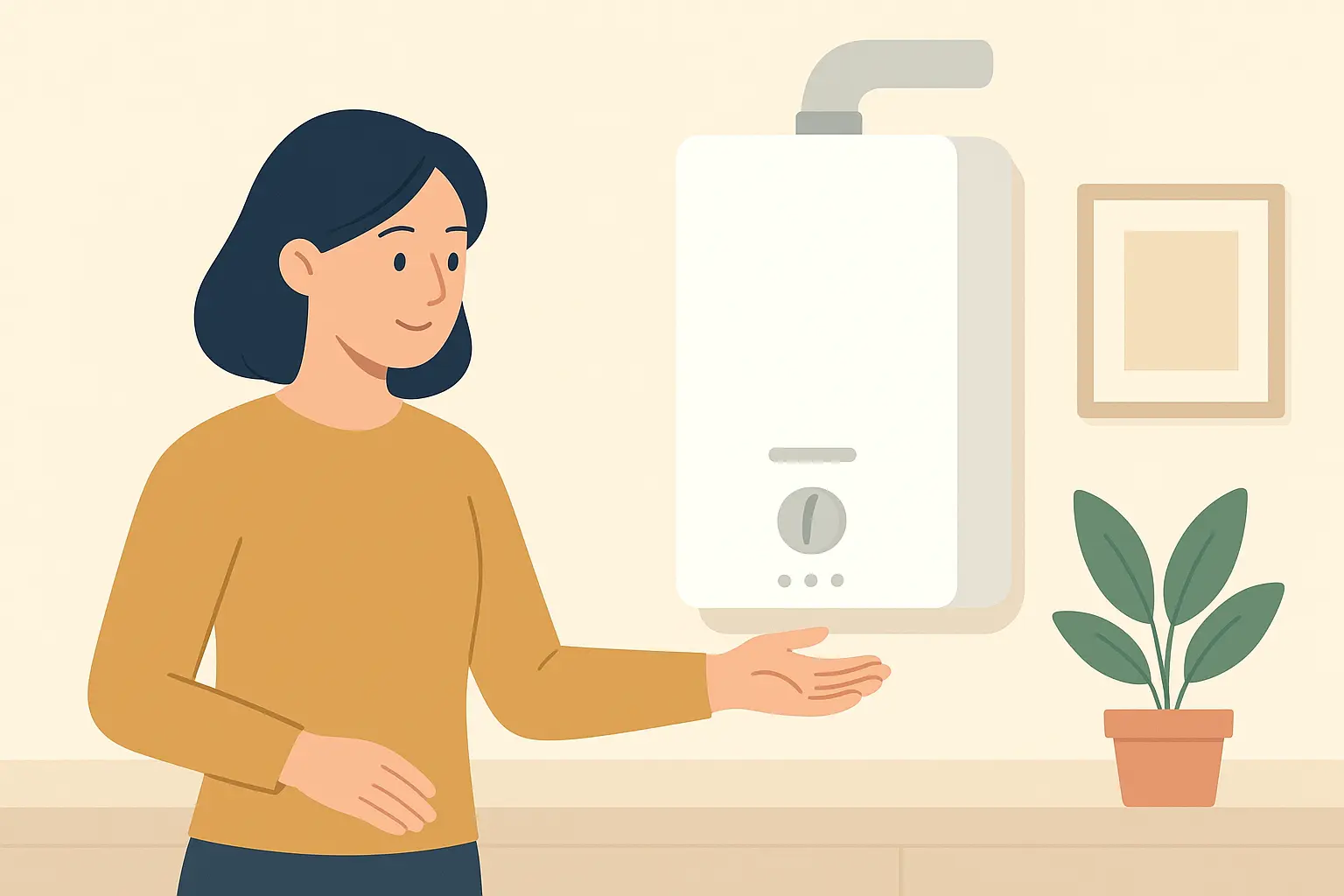
What is a back boiler and why were they so popular?
A back boiler is exactly what it sounds like. It sits behind a gas fire, usually in the chimney breast. The fire heats water in the boiler, which then feeds your radiators and hot water cylinder.
They were hugely popular through the 1960s, 70s and 80s. In places like Crawley and Horsham, where a lot of homes were built or updated in that period, they were a common choice. They were compact, fairly reliable and kept everything neatly in one place. At the time, energy efficiency standards were not what they are today, so no one questioned whether 60 to 70 percent efficiency was good enough.
The trouble is, heating technology has moved on massively. What was acceptable then looks very dated now.
Signs your back boiler is outdated or inefficient
Plenty of back boilers are still running, but that does not mean they are running well. Here are some of the signs I see in older systems:
- Frequent pilot light issues or difficulty relighting it
- Radiators taking a long time to warm up
- Uneven heating across the house
- Regular breakdowns with hard to source parts
- High gas bills compared to similar sized homes
Another issue is parts. Many back boiler manufacturers have stopped making components. When something major fails, it can become a case of patching and hoping. I have had conversations with homeowners in East Grinstead who have spent good money chasing repairs, only to decide a year later that replacement would have been the better choice.
Safety is also a consideration. Older appliances were not built to the same standards as modern condensing boilers. If the fire front has been removed or ventilation is poor, there can be carbon monoxide risks. Regular servicing helps, but age is age.
Benefits of upgrading to a modern boiler system
The biggest difference with a modern boiler is efficiency. Most new condensing boilers operate at over 90 percent efficiency when installed correctly. That means more of the gas you pay for is turned into usable heat.
In practical terms, that usually means:
- Lower monthly gas bills
- Quicker heat up times
- More consistent hot water
- Quieter operation
- Smaller, wall mounted units that free up living space
I often see the surprise on a customer’s face when the old fire and back boiler come out and they suddenly have a clean wall and extra room. It can completely change the layout of a lounge.
Modern systems also work far better with smart thermostats and heating controls. You can zone areas, set accurate timings and manage everything from your phone if you want to. That level of control simply was not possible with most back boilers.
Types of replacement options available in the UK
When replacing a back boiler, there are usually two main routes: a combi boiler or a system boiler with a hot water cylinder.
Combi boilers
A combi provides heating and hot water directly from the boiler, without a separate cylinder. They are a good choice for smaller to medium homes with one bathroom. You get hot water on demand and free up space where the old cylinder used to be.
System boilers
A system boiler works with a separate hot water cylinder. If you have a larger family home in areas such as Crawley or Horsham and multiple bathrooms, this can be the better option. It handles higher hot water demand without pressure drops.
The right option depends on your house layout, water pressure and how you actually use hot water. This is where proper advice makes a difference. What worked in the 80s is rarely the best setup now.
Costs, savings and energy efficiency improvements
I will not throw out exact figures here because every house is different. Costs vary depending on flue position, pipework alterations, waste removal and making good walls and floors after the old unit is removed.
What I can say is that most homeowners notice a clear drop in gas usage after upgrading from a back boiler. The efficiency jump alone can make a significant difference over the years. Add in fewer repair bills and better heating control, and the long term savings become clearer.
If budget is a concern, it is worth looking at finance options. For a quick idea of what your own upgrade might involve, you can also request a quick quote.
How the upgrade process works
One of the first questions I get asked is, how disruptive is it?
In most homes, removing a back boiler and fitting a new system takes a few days. The old fire and boiler are safely disconnected and removed. Pipework is altered to suit the new boiler location, often in the kitchen or airing cupboard. We then install the new flue, connect controls and flush the system to protect the new boiler.
There will be some mess during removal, especially when taking out the old fire surround and making good the wall. In many homes in East Grinstead, we find the original brick opening behind the fire which needs tidying. A good installer will explain this in advance so there are no surprises.
Once installed, the system is commissioned, tested and shown to you properly. You should feel confident using the controls before the engineer leaves.
When to make the switch
If your back boiler is still running and being serviced annually, there is no rule that says you must rip it out tomorrow. But if it is unreliable, inefficient or you are already facing a costly repair, that is usually the tipping point.
An upgrade is not just about replacing a heat source. It is about improving comfort, safety and running costs for the next 10 to 15 years. If you are unsure what makes sense for your property, speak to a local engineer who understands the types of homes in this area. At Safe Gas Heating & Plumbing we regularly help homeowners weigh up their options and plan upgrades sensibly rather than rushing in.
If you would like straightforward advice tailored to your home, you can get expert advice and a free quote for your boiler upgrade here. Sometimes a simple conversation is all it takes to decide whether now is the right time to move on from that old back boiler.